Regardless of whether we have private or public insurance, we should all be able to get the care we need to stay healthy. But for millions of low-income individuals and families enrolled in Medicaid, health care access is about to become much more difficult.
Signed into law on July 4, 2025, the One Big Beautiful Bill Act (OBBBA), also known as H.R.1, mandates historic structural changes to the safety net program, which was established in 1965 as a joint federal-state initiative. Under H.R. 1, the federal government will reduce its Medicaid funding by nearly $1 trillion across the next decade, leaving it up to the states to determine programmatic cuts.
“States will have very difficult decisions to make about how to fund their Medicaid programs,” says Lara Kassel, Coordinator of Medicaid Matters New York, a statewide policy and advocacy coalition dedicated to Medicaid beneficiaries in New York.
New Medicaid Work and Reporting Requirements
H.R.1 also calls for expanded work and reporting requirements, which are set to take effect in January 2027. They will apply to New York and the 39 other states that expanded Medicaid under the Affordable Care Act.
To maintain their Medicaid coverage, beneficiaries 19 to 64 years old must perform some type of “community engagement,” namely, work, volunteer in the community, or attend school for at least 80 hours a month. They must also provide documentation of their completed activities. Individuals must also recertify their Medicaid eligibility every six months.
On June 1, 2026, the Centers for Medicare and Medicaid Services released an interim final rule about the new work requirements, including stricter exemption criteria. Exempt are pregnant people and individuals who serve as caregivers for dependents under 14 years old or dependents with a disability. It’s unclear how the status of caregivers of older adults will be determined. Based on the wording of the rule, it seems that an older care recipient would need to have a qualifying disability in order for their caregiver to be exempt.
Also exempt are “medically frail” individuals, including those who are blind or disabled; live with a severe physical, intellectual, or developmental disability; and have a substance use disorder or a disabling mental disorder. A full list can be found here. People who suffer from serious or complex medical conditions are exempt only if their sickness prevents them from working. This means that individuals with serious conditions such as cancer, HIV, and end-stage renal disease won’t necessarily qualify for an exemption.
Why Work Requirements Don’t Work
The majority of people insured through Medicaid already work, and imposing work requirements rarely produces a meaningful increase in employment. In 2018, Arkansas rolled out work requirements similar to what will go into effect January 1, 2027. Within a few months, thousands of otherwise Medicaid-eligible individuals had been disenrolled due to confusing and time-consuming bureaucratic procedures.
It’s not just people insured by Medicaid who will be affected by the new requirements in 2027. Overworked providers will be facing serious financial strain due to reduced Medicaid reimbursements while also juggling the increased paperwork of verifying patients’ eligibility.
Finally, the new work requirements will pose a costly administrative burden on state governments. Each state will have to establish and finance its own reporting and verification process, requiring substantial technology upgrades and additional training.
What’s At Stake for All of Us
Here are some of the serious ripple effects of a restructured Medicaid program:
A Destabilized Health Care System
- Health facility mergers and closures – According to a June 2025 report from the Fiscal Policy Institute, 70 of New York State’s 156 hospitals rely on Medicaid or government appropriations for more than 25 percent of their net patient revenue. Medicaid is also one of the largest payers for nursing homes, long-term care facilities, home care agencies, and community health centers. A loss in revenue will intensify layoffs, lead to understaffing and burnout, and compromise the quality of care. Lost revenue will also accelerate mergers and closures, giving people limited choices. The resulting health care deserts will especially hurt rural and other underserved communities.
- Loss of essential services – Decreased Medicaid funding will force hospitals and clinics to make difficult cost-cutting decisions. They may scale back or eliminate high-need specialty services, such as OB-GYN, pediatrics, and mental health. Once again, rural and underserved communities will be disproportionately affected.
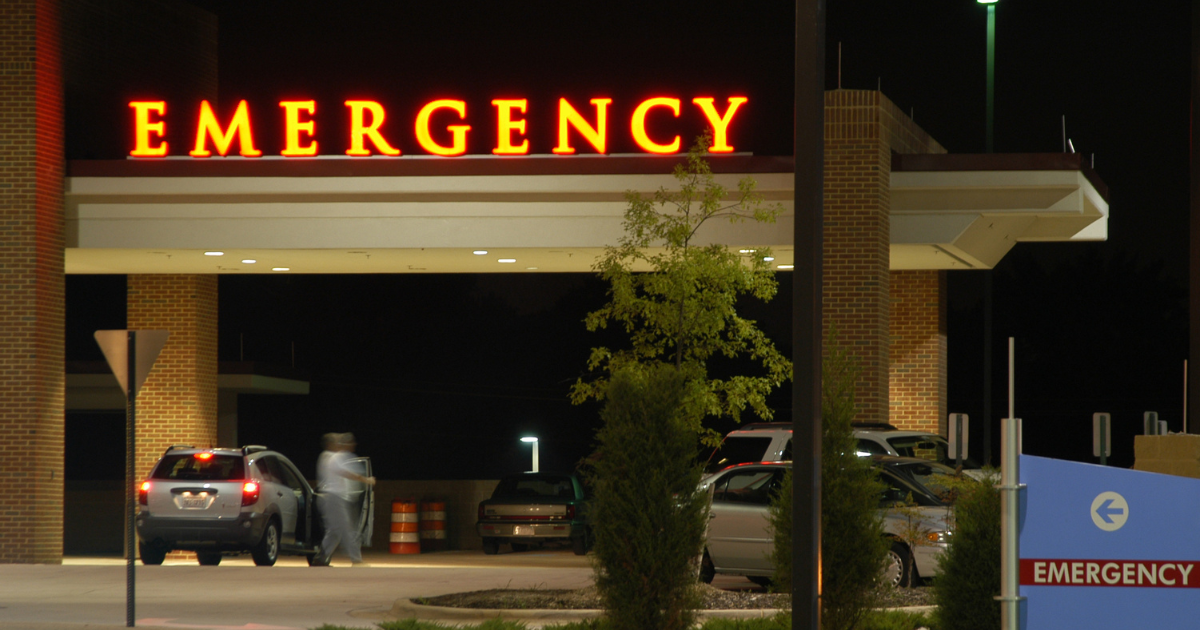
- Emergency departments beyond capacity – Those who have lost their Medicaid insurance will seek care in the ER, which translates into much longer wait times for every patient. Hospitals will need to absorb the costs of this uncompensated care as well, driving care costs up for everyone.
- Greater health risks – Individuals and families who have lost their Medicaid coverage might delay or forgo care altogether for hypertension, diabetes, mental health, and other chronic conditions.
Economic Fallout
- Strained state resources – H.R.1 slashes federal Medicaid funding while forcing each state to finance new reporting and compliance systems. As a result, states will face a difficult choice between funding Medicaid infrastructure and funding other essential services, such as education, transportation, and public safety.
- State and local economic impact – Hospitals in New York generate a significant percentage of the state’s gross domestic product. In 2024, it was 10.4 percent. In fact, when a hospital or clinic closes, an entire community is affected. That’s because health care providers tend to be major employers. With fewer customers, small businesses situated near shuttered facilities will see their profits shrink. Residents will have to travel longer distances to access care.
- Rising health care costs – Federal disinvestment in Medicaid will make health care more expensive for all of us, regardless of whether we receive insurance through Medicaid, the ACA Marketplace, or a private employer. A destabilized health care system will force providers to absorb the costs of uncompensated care, ultimately shifting the costs onto insurers and patients. This means higher monthly premiums and out-of-pocket expenses across the entire system.
2027 Is Just a Few Months Away
Medicaid expansion states should begin planning for 2027 now—if they haven’t already. “If we make plans now to help people stay enrolled and make sure the eligibility and enrollment processes are clear, there will be fewer people uninsured,” Kassel says.
Health and social care leaders across New York State have been collaborating on how to best support the people they serve during this transition. With the Health Foundation’s support, leaders from community-based organizations and health care facilities in western New York convened on May 8 to brainstorm initiatives to mitigate the impact of the Medicaid changes, and a similar convening will be held July 28 in Syracuse. In June, the United Hospital Fund held a webinar to present ways in which New York State is preparing for January.
While these ongoing efforts are valuable, the overall situation remains urgent. H.R. 1 reflects the largest rollback of coverage in Medicaid’s history. Millions of people are expected to lose their insurance coverage by 2034. If you serve people who are insured by Medicaid, we encourage you take a proactive approach to help them navigate the upcoming changes.
Helpful links:
Conversation on Looming Medicaid Cuts (recording of May 8 convening in Buffalo, NY)
H.R.1 webinar hosted by the United Hospital Fund (recording of June 18 webinar)
Stay up to date by visiting the special section on the website of the New York State Department of Health: Changes to Medicaid Coverage | NY State of Health